















English
- English
- 简体中文
- عربي
- Deutsch
- Русский язык
- Français
- Pilipino
- 日本語
- Español
- Ελληνικά
- Italiano

English
- English
- 简体中文
- عربي
- Deutsch
- Русский язык
- Français
- Pilipino
- 日本語
- Español
- Ελληνικά
- Italiano

How does the manufacturing process differ for a transparent tub compared to a conventional one?
2024-02-03 00:00:00
Click:
“
Manufacturing process of transparent tub compared to a conventional oneWhen it c
”
Manufacturing process of transparent tub compared to a conventional one
When it comes to selecting a bathtub, consumers are often faced with a choice between traditional opaque tubs and modern transparent alternatives. The manufacturing processes for these two types oftubs vary significantly, driven by the distinct materials and design considerations involved. Here will share the key steps that differentiate the production of transparent tubs, commonly crafted from materials like acrylic or glass, from the processes associated with conventional tubs made of materials such as porcelain or fiberglass.
Transparent Tub Manufacturing:
Material Selection: Transparent tubs are typically fashioned from materials prized for their clarity and resilience. Acrylic, polycarbonate, and tempered glass are common choices. Acrylic, in particular, is favored for its moldability and lightweight properties.
Molding or Forming: The manufacturing journey begins with molding or forming the chosen material into the desired tub shape. For acrylic tubs, techniques like vacuum forming or injection molding are employed. Sheets of acrylic are heated and then shaped into the tub form using specialized molds.
Polishing or Finishing: To optimize transparency and aesthetic appeal, transparent tub surfaces undergo polishing or finishing processes. This step ensures the removal of imperfections and results in a sleek, clear surface.
Reinforcement (if necessary): Depending on design requirements, transparent tubs may undergo reinforcement processes to guarantee structural integrity. Additional layers or support structures might be integrated into the manufacturing process.
Quality Control: Rigorous quality control measures are implemented to identify and rectify any defects or impurities that could compromise the transparency and overall quality of the tub.
Conventional Tub Manufacturing:
Material Selection: Conventional tubs, in contrast, are commonly constructed from materials like porcelain, fiberglass, or enameled steel. These materials are chosen for their durability and resistance to damage.
Molding or Forming: The manufacturing process involves molding the selected material into the tub shape. Porcelain tubs, for instance, might start with a cast iron or steel base, which is then coated with enamel.
Coating or Finishing: Conventional tubs undergo coating or finishing processes to enhance appearance and provide additional protection. Porcelain tubs, for instance, are coated with enamel, which adds a glossy finish.
Firing (for porcelain tubs): In the case of porcelain tubs, a firing process is often employed to set the enamel coating. This entails subjecting the tub to high temperatures, fusing the enamel to the underlying material.
Quality Control: Similar to transparent tubs, conventional tubs are subjected to stringent quality control processes. These measures ensure that the tubs meet industry standards and are free from defects.
The manufacturing processes oftransparent tubsand conventional tubs reflect the distinctive characteristics of their respective materials and design requirements. As technology advances, these processes are subject to refinement and innovation, leading to a diverse array of options for consumers seeking the perfect bathtub for their homes.
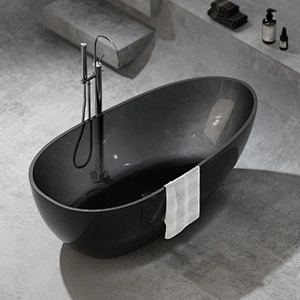
What materials are typically used to manufacture a transparent tub?
Transparent tubs, with their sleek and contemporary appeal, have gained popularity for adding a touch of sophistication to bathrooms. The materials used in the manufacturing of these see-through wonders play a pivotal role in achieving the delicate balance between clarity, durability, and design flexibility. Let's take a closer look at the materials typically used to craft transparent tubs.
1. Acrylic: A Lightweight Marvel. Acrylic stands as a frontrunner in the realm of transparent tub materials. Known for its exceptional clarity and lightweight nature, acrylic allows manufacturers to mold tubs into diverse shapes with ease. This versatile material not only provides an excellent transparent surface but also proves to be an affordable option for those seeking a modern aesthetic without breaking the bank.
2. Polycarbonate: The Transparent Thermoplastic. While not as ubiquitous as acrylic, polycarbonate is another transparent thermoplastic finding its way into tub manufacturing. Recognized for its high impact resistance and clarity, polycarbonate offers an alternative for those seeking a distinct material for their transparent tubs.
3. Tempered Glass: Strength in Transparency. For those with a penchant for luxury, tempered glass emerges as a premium choice. Renowned for its strength and safety features, tempered glass tubs provide a sleek and modern look. Thicker than their plastic counterparts, these tubs exude durability while maintaining transparency.
4. Fiberglass with a Clear Gel Coat: A Blend of Strength and Clarity. Fiberglass, a stalwart in the world of tub construction, can also play a role in crafting transparent tubs. Manufacturers often use a clear gel coat over a fiberglass base to enhance transparency while adding an extra layer of protection. This combination allows for a seamless blend of strength and clarity.
5. Composite Materials: Tailoring Transparency. Innovation in material science has given rise to composite materials tailored for specific applications. Transparent tubs constructed from composite materials offer a customizable approach, allowing manufacturers to fine-tune properties to meet aesthetic and functional requirements.
As technology advances and material science progresses, the world of transparent tubs is poised for further evolution. Researchers and manufacturers continue to explore new materials that push the boundaries of transparency, durability, and design possibilities. The future may unveil materials that redefine our expectations of what a transparent tub can be.
The materials used in transparent tub manufacturing serve as the building blocks for creating a modern and visually striking centerpiece. Whether opting for the affordability of acrylic, the luxury of tempered glass, or the innovation of composite materials, consumers today have a diverse array of materials at their disposal to transform their bathing experience into a clear and elegant affair.
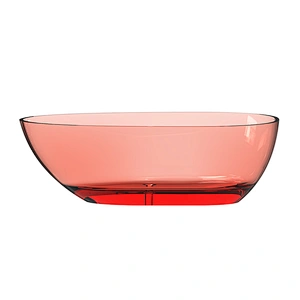
What maintenance routines are recommended for preserving the transparent tub?
Transparent tubs stand as a testament to sophistication and innovation. Crafted from materials like acrylic, polycarbonate, or tempered glass, these see-through wonders bring a touch of contemporary elegance to bathrooms. Preserving the transparency and overall appearance of your transparent tub requires a thoughtful approach to maintenance. In this article, we explore recommended maintenance routines that will help keep your transparent tub in pristine condition.
1. Regular Cleaning with a Gentle Touch: Clean your transparent tub regularly using a mild, non-abrasive cleaner. Harsh or abrasive chemicals can scratch or damage the surface, so opt for a cleaner recommended by the manufacturer.
2. Soft Cloth or Sponge: Use a soft cloth or sponge for cleaning to prevent scratches on the transparent surface. Microfiber cloths are particularly effective for their gentle cleaning properties.
3. Avoid Abrasive Tools: Refrain from using abrasive tools such as scouring pads or brushes with hard bristles, as they can mar the transparency and create visible scratches.
4. Prompt Removal of Soap Scum: Soap scum can accumulate over time. Clean it promptly using a mild cleaner to prevent it from hardening and becoming more challenging to remove.
5. Say No to Harsh Chemicals: Steer clear of harsh chemicals like bleach and ammonia, which can damage the transparency and compromise the integrity of the tub material.
6. Preventing Hard Water Stains: Wipe down the tub after each use to prevent the development of hard water stains. If stains appear, a mixture of vinegar and water can help, but always check with the manufacturer's guidelines.
7. Use Soft Water if Possible: If feasible, use soft water to reduce the likelihood of mineral deposits on the tub surface. Water softeners or filtration systems can be employed for this purpose.
8. Avoid Colored or Abrasive Bath Products: Choose clear or white bath products to prevent color transfer or staining. Avoid using bath salts or products with abrasive particles that could scratch the surface.
9. Apply Wax or Polish (if recommended): Some transparent tubs may benefit from the application of a specialized wax or polish. Follow the manufacturer's guidelines for application and frequency.
10. Regular Inspection for Damage: Conduct regular inspections for any signs of damage, such as cracks or chips. Addressing issues promptly can prevent further damage and maintain the tub's pristine appearance.
11. Follow Manufacturer's Guidelines: Always refer to the manufacturer's guidelines and care instructions specific to your transparent tub. Different materials may have unique requirements for maintenance and cleaning.
Preserving the brilliance of your transparent tub requires a commitment to regular, gentle care. By incorporating these maintenance routines into your cleaning schedule, you can ensure that your transparent tub continues to be a shining centerpiece in your bathroom, providing timeless elegance and clarity for years to come.










CONTACT US
Tel:020-85822356
Office Address:RM 412, NO. 419 Shibei Industrial RD, Dashi ST, Panyu DIST, Guangzhou, China
Main Production Base:Road NO.3,Dawan Industrial Transfer Park,Yunan,Yunfu, Guangdong China






Copyright © 2024 Opaly Building Materials(Gz) Co. Ltd Copyright
 Inquiry Now