















English
- English
- 简体中文
- عربي
- Deutsch
- Русский язык
- Français
- Pilipino
- 日本語
- Español
- Ελληνικά
- Italiano

English
- English
- 简体中文
- عربي
- Deutsch
- Русский язык
- Français
- Pilipino
- 日本語
- Español
- Ελληνικά
- Italiano

More about faucet materials. Why brass and stainless steel?
2024-05-10 16:18:10
Click:
“
There are three major parts of a faucet, the main body, the valve core, and the
”
There are three major parts of a faucet, the main body, the valve core, and the surface. When it comes to choosing a faucet, there will always be questions about the material.
Here we will focus on the advantages and disadvantages of different faucet main body materials.
Common faucet materials include brass, stainless steel, zinc, etc. Brass is the mainstream material of faucets on the market, while stainless steel is more commonly used in kitchen faucets.
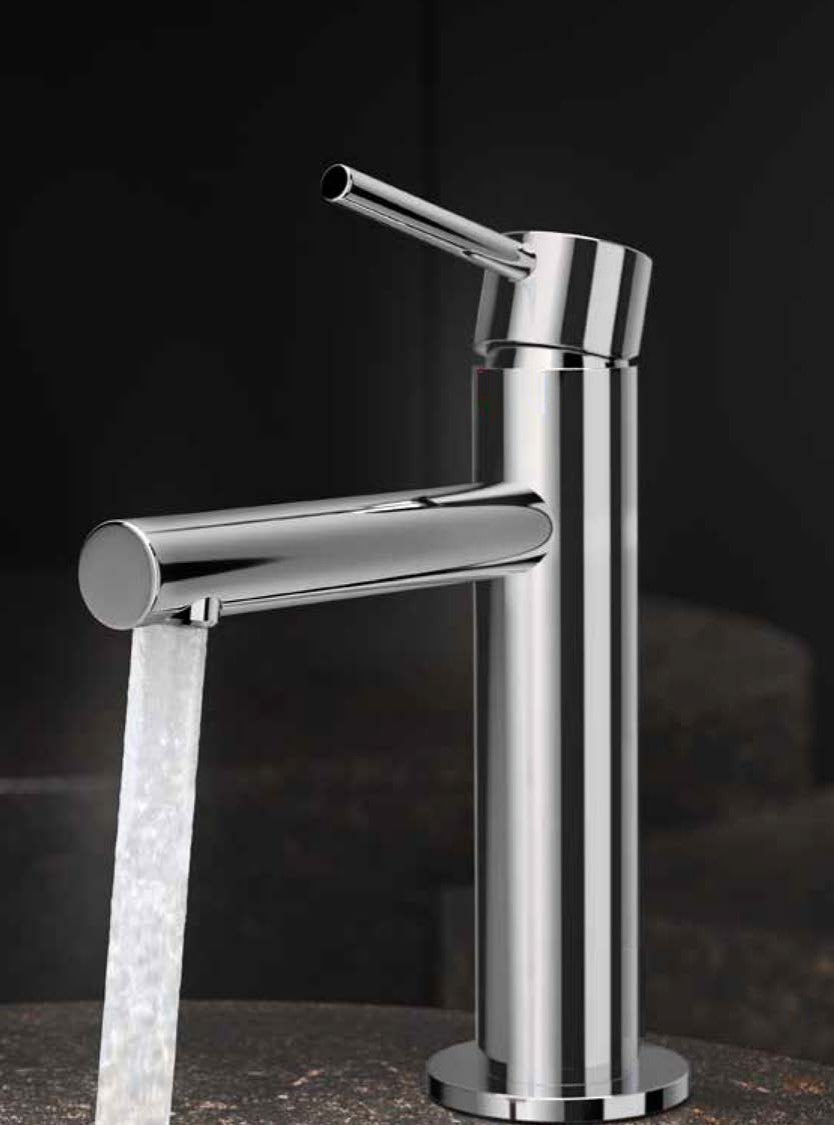
1. Brass
Brass faucets are the most widely used and relatively mature materials on the market. Brass alloys are corrosion-resistant, and products made from them are more durable. Brass ions have antibacterial properties and can ensure healthy water use.
All brass, pure brass. First of all, we should make a clear concept: full brass does not mean pure brass. Pure brass refers to brass that has been refined by technology and has a purity of more than 99.5%. However, pure brass is soft in nature and difficult to shape, so it is not suitable for making faucets.
The base material of most brass faucet products on the market is brass-zinc alloy, which is widely used in faucet products because of its good mechanical properties, good thermoplasticity, good cutting performance, easy brazing and welding, corrosion resistance and other advantages.
The entire faucet product is made of brass alloy material, which can be called a "full brass faucet".
In fact, full brass and pure brass are two different concepts. When buying faucet products, please consider "full brass" and pay attention to the identification.
2. Zinc alloy
The advantage of zinc alloy faucets is that they are low in price, but they are easy to rust, contain more heavy metals, and have a short service life. Therefore, it is not recommended to buy zinc alloy faucets.
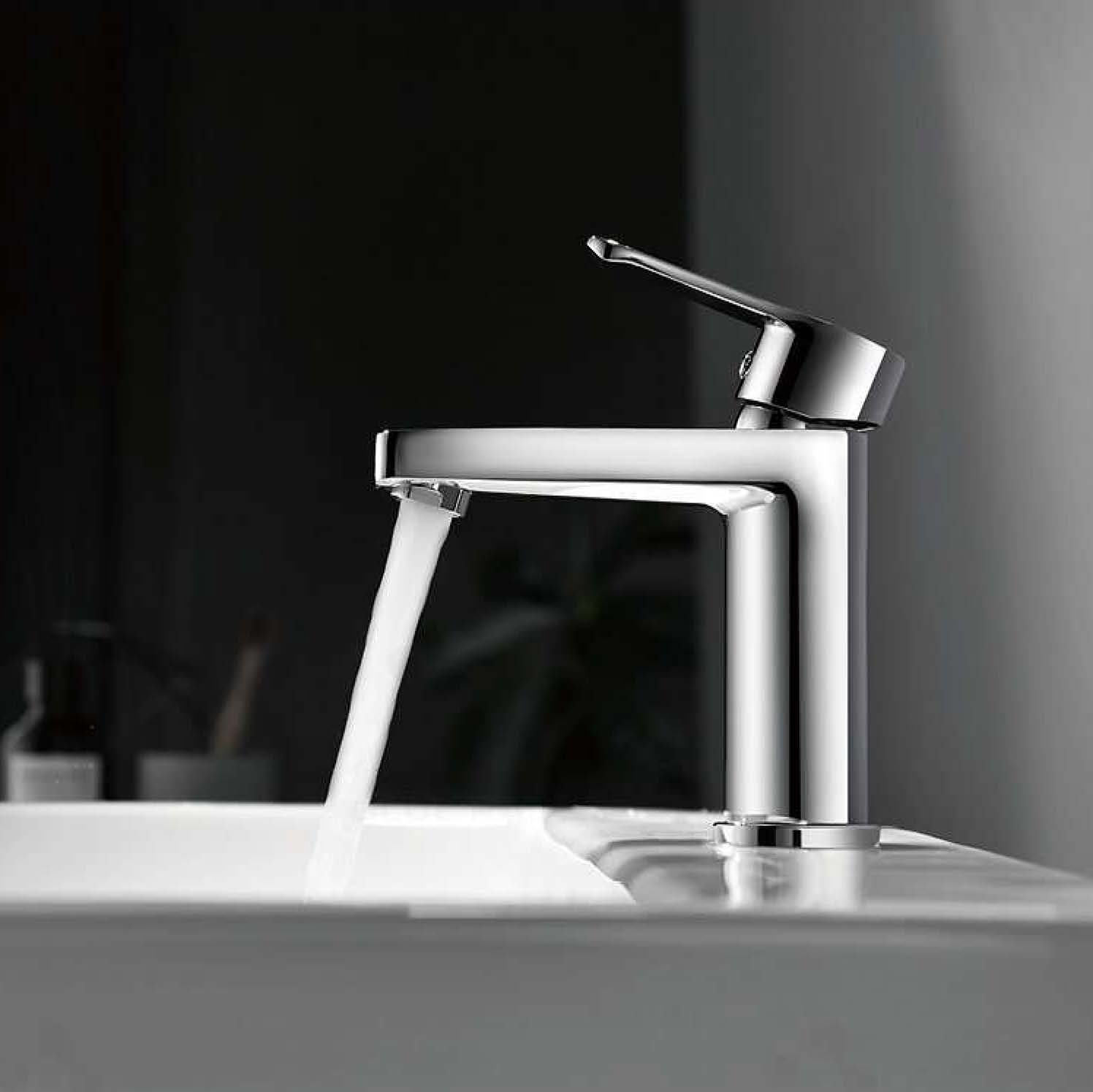
3. Stainless steel
Stainless steel faucets are harder and tougher than copper and are very durable. No rust, no lead, healthy and environmentally friendly. Common types of stainless steel include 430, 201, 304, and 316. They look almost the same in appearance, but their actual performance and price are very different.
430: The content is about iron + 12% chromium, which is the lowest price and the worst corrosion resistance among the four materials.
201: Also known as high manganese steel, it contains high manganese and is easy to rust; it contains less nickel and is not as corrosion resistant as 304. In the market, some unscrupulous merchants use 201 as 304 to deceive consumers in order to save costs.
304: Also known as 18/8 stainless steel, it contains about iron + 18% chromium + 8% nickel, and its corrosion and rust resistance are better than 201 and 430. It is currently the most widely used stainless steel material.
316: Also known as 18/10 stainless steel, it contains about iron + 18% chromium + 10% nickel, and its price is the highest among these materials, and its corrosion and rust resistance is the best. 316 is usually used in some high-end equipment, such as aerospace, food machinery, high-end kitchenware and other fields.
Europe and USA have very strict requirements on stainless steel tableware, stipulating that stainless steel used for direct contact with food must contain at least 16% chromium. In daily life, our cooking water and drinking water come from faucets. For safety and health, stainless steel faucets must be at least 304.
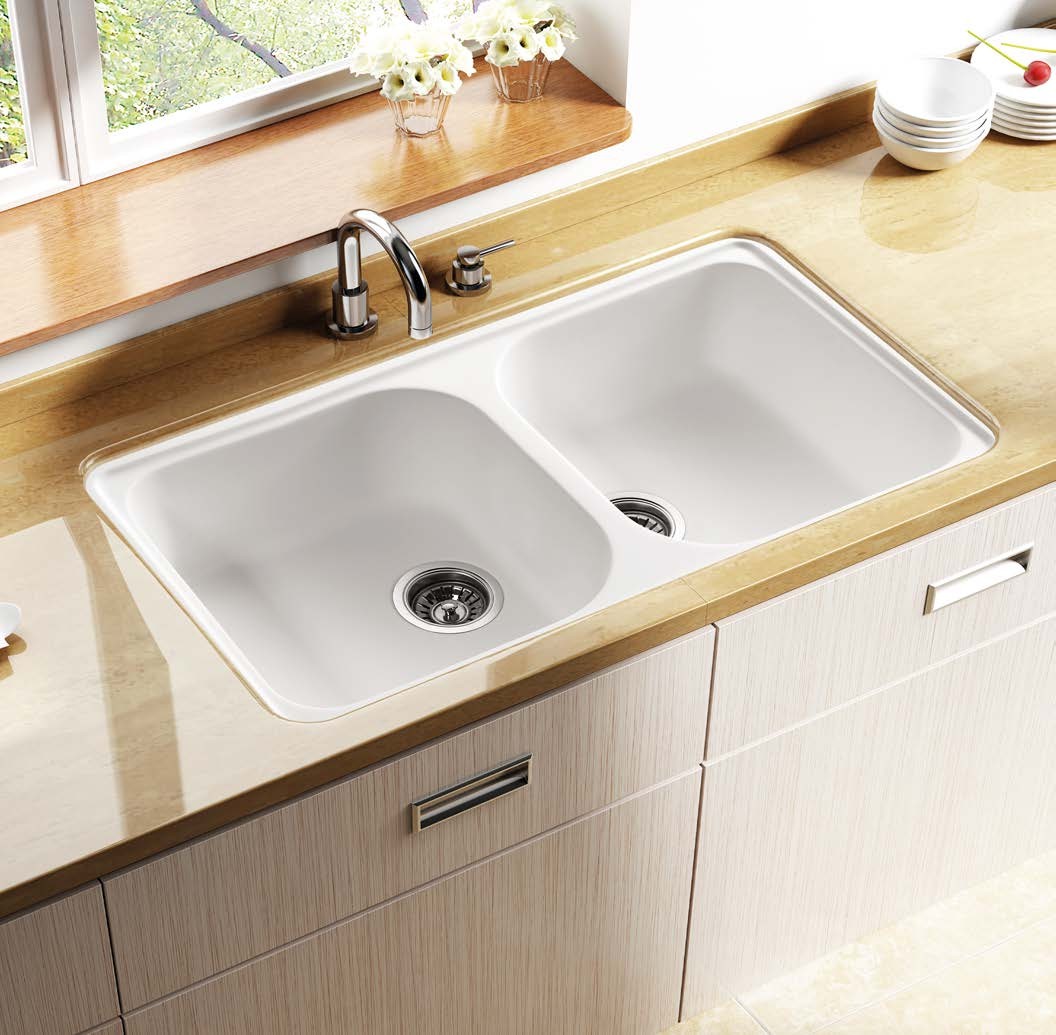
Conclusion
Brass, stainless steel, zinc alloy, which faucet is better?
Brass and stainless steel faucets are recommended. Good stainless steel faucets are more expensive. If you pay more attention to cost-effectiveness, brass faucets are a good option.
At the same time, these materials can be made into a variety of different surface treatments such as brushed nickel, polished chrome, golden, black, antique.
Author:
opaly










CONTACT US
Tel:020-85822356
Office Address:RM 412, NO. 419 Shibei Industrial RD, Dashi ST, Panyu DIST, Guangzhou, China
Main Production Base:Road NO.3,Dawan Industrial Transfer Park,Yunan,Yunfu, Guangdong China






Copyright © 2024 Opaly Building Materials(Gz) Co. Ltd Copyright
 Inquiry Now